


































Ordering Door Locks: What Exactly Goes in Each Box?
Match the quoted lock, cylinder, keys and fixings to a photographed packing sample before confirming an order.
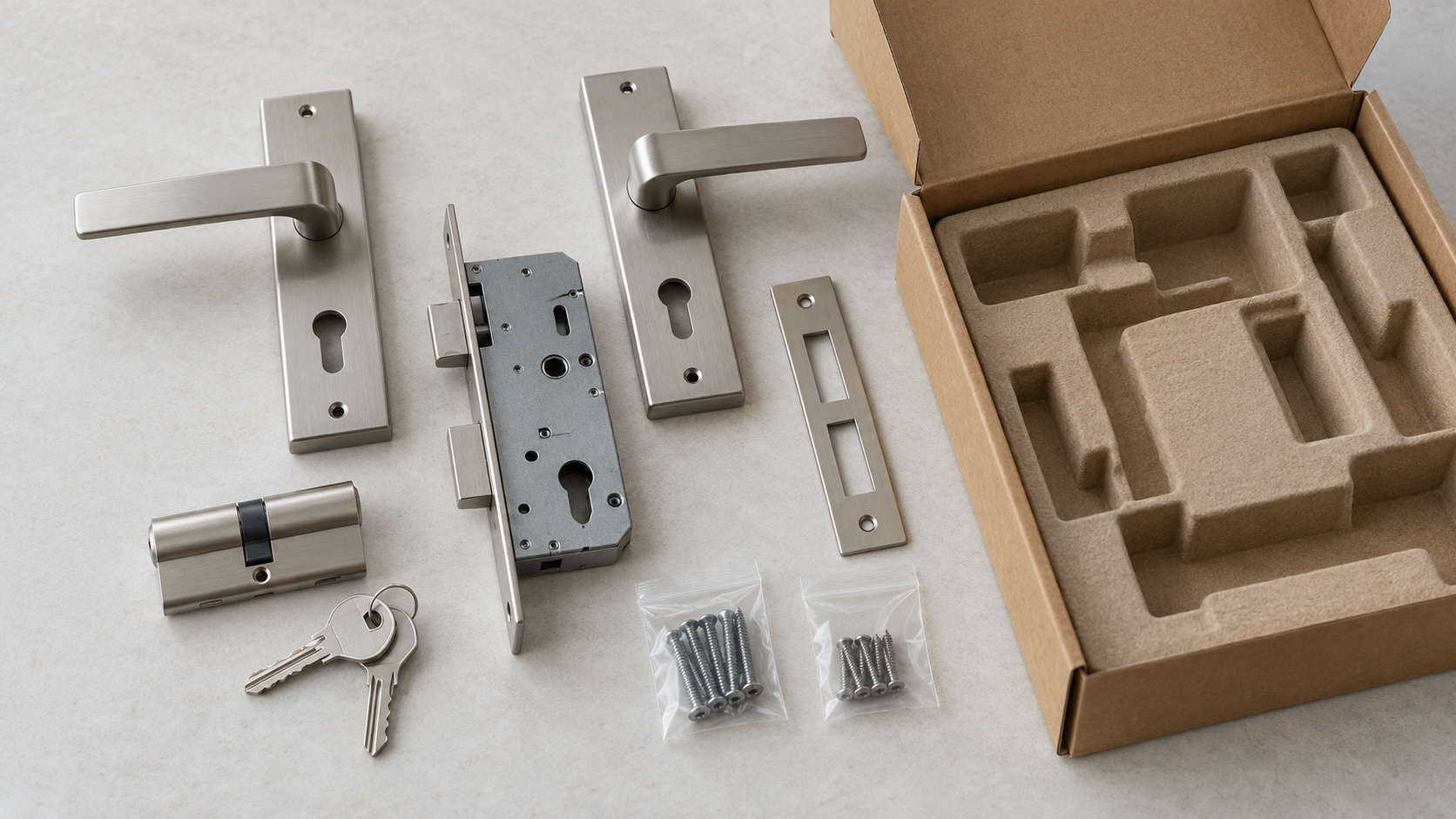
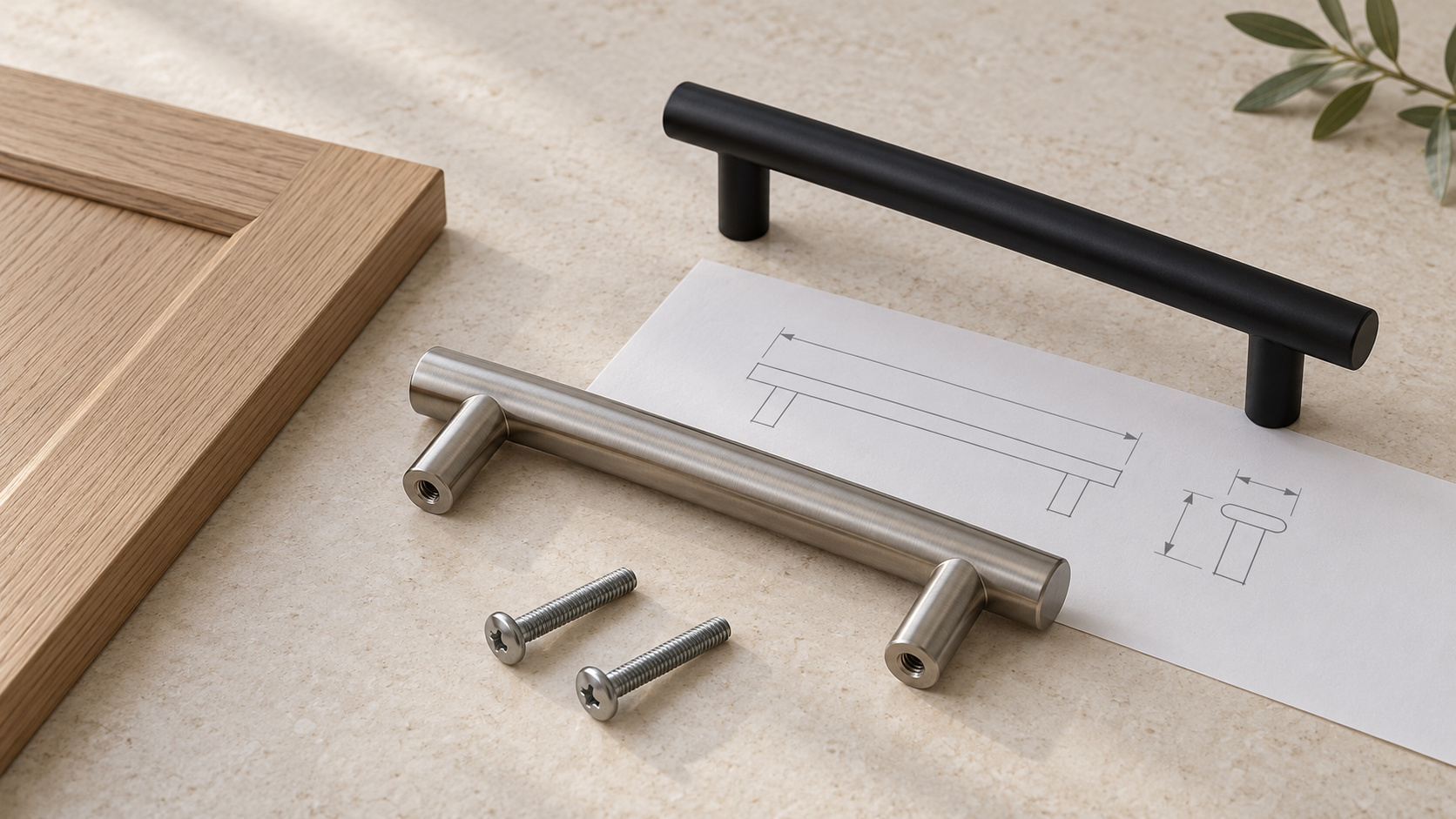
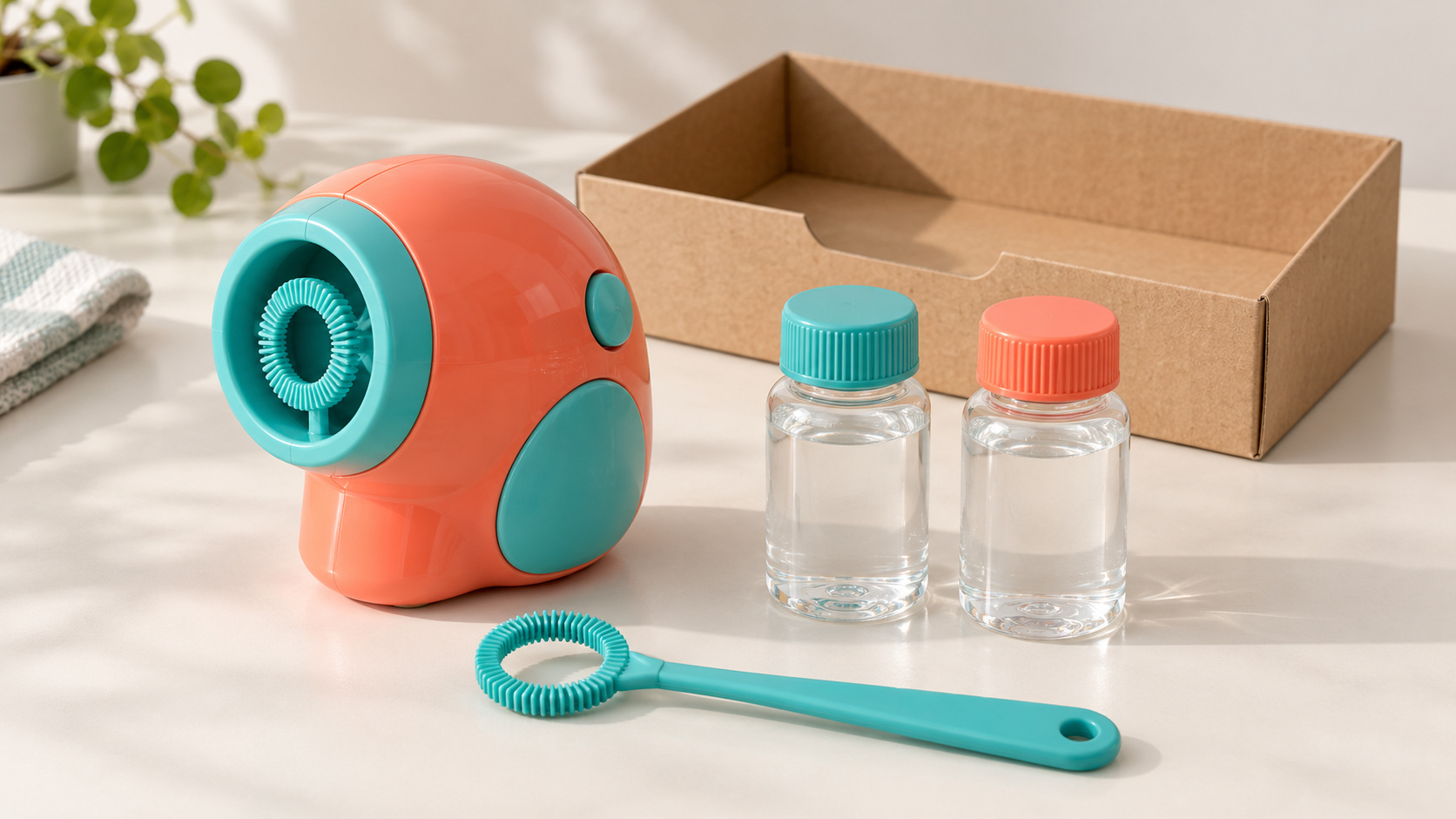
A photograph of a door handle leaves a rather important question unanswered: what are we buying with it? The handle may be shown on a door with a lock body and cylinder, while the quotation covers only the handle set. Before comparing prices, I would ask the supplier to lay out everything included in one saleable unit. One photograph of those loose parts, beside the empty packaging, would be a useful place to start.
For a lock sold with a cylinder, I would want that cylinder identified separately in the quotation. If it is optional, the price for the option belongs beside it. The same goes for keys, strike plate and fixings. There is no need to demand that every supplier sells the same bundle. We do need to compare the same bundle when deciding whose price to accept. An omitted component is a purchasing decision to resolve, rather than something to discover when opening the delivery.
The loose-parts photograph also gives us a way to discuss the screws. “Screws included” tells me very little. I would ask which screws belong to which component and have the supplier put them in the bags intended for the shipment. A bag that looks complete in a photograph still needs a parts list. That list should give the quantities and identify the agreed fixing specifications, with a drawing where words would be ambiguous. Installation suitability needs confirmation for the intended door; a bag of screws is no substitute for that check.
I would be particularly careful with an order for several rooms. Having a cylinder and two keys in every box would not settle the question of which key opens which room. Before asking for a quote, I would mark the intended key arrangement on a numbered list of the units being purchased. The supplier could then write the proposed cylinder references against those numbers. I would keep that returned list as part of the specification and arrange for the supplied key arrangement to be checked. The loose-parts photograph can help count the pieces, but it cannot do this job.
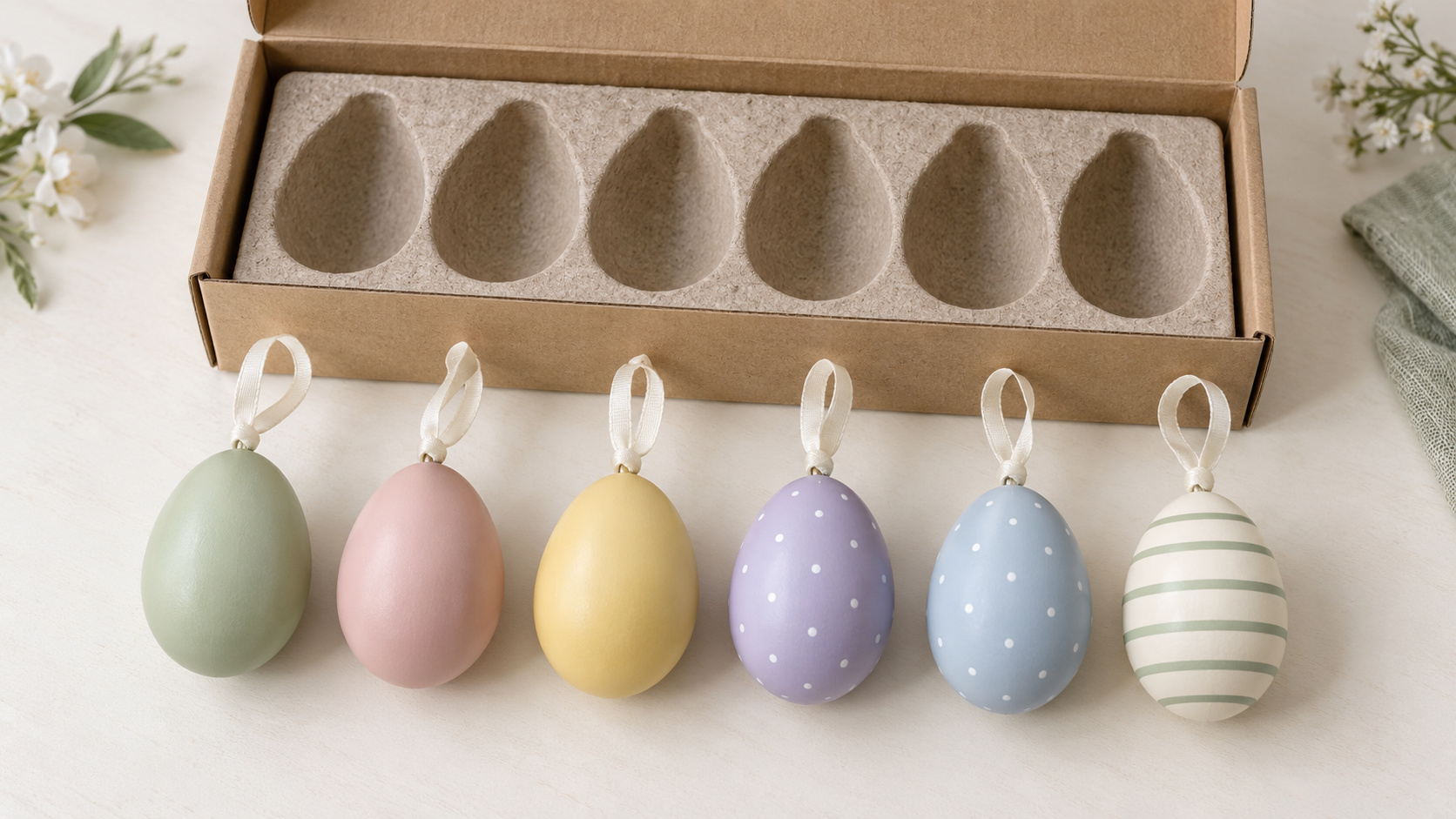
The next thing I would ask for is a packed sample, using the box and internal protection quoted for the order. I would unpack it alongside the list, taking a photograph before moving the contents. If the screw bag sits underneath the lock body, that is where I would expect to see it in the packing photograph. The sample also lets us see whether the handles are separated from the loose metal pieces. I would keep the layout photograph with the contents list, so that a later change to the packing can be discussed against something visible.
Those records need names that survive an email attachment being downloaded. I would use one reference for the approved contents list and its packing photographs, and include it in the order. Suppose the cylinder is later moved into a separate small box. I would ask for another packing photograph and amend the contents list to show where it has gone. Both versions would stay in the order file, with the superseded one clearly marked. Before dispatch, I would send the receiving team the approved version, including the cylinder schedule if the order has one. They should not have to reconstruct the purchase from the photographs in a sales brochure.
Share the product, specifications, quantity and destination to discuss sourcing options.